Key Takeaways from the City of Boise + USGBC Luncheon
On May 21, 2026, industry leaders gathered at the BOMA Idaho Luncheon to explore what it truly means to build a sustainable, resilient, and financially strong built environment. The session brought together insights from the U.S. Green Building Council (USGBC) and the City of Boise, highlighting how performance-driven buildings and innovative financing tools are reshaping real estate.
A Shared Vision: Sustainable Communities That Perform
The presentation opened with a clear and compelling vision—creating a built environment that supports health, equity, resilience, and long-term prosperity.
This aligns with USGBC’s mission to transform how buildings and communities are designed, built, and operated to deliver healthier and more sustainable outcomes for everyone.
Real Estate is Changing—Performance is Now Value
One of the strongest themes from the presentation: the capital markets are evolving.
Performance, resilience, and transparency are no longer optional—they are directly tied to asset value.
For owners and developers, this means sustainability is no longer just a “nice to have”—it’s a core business strategy.
Healthy Buildings = Stronger Financial Performance
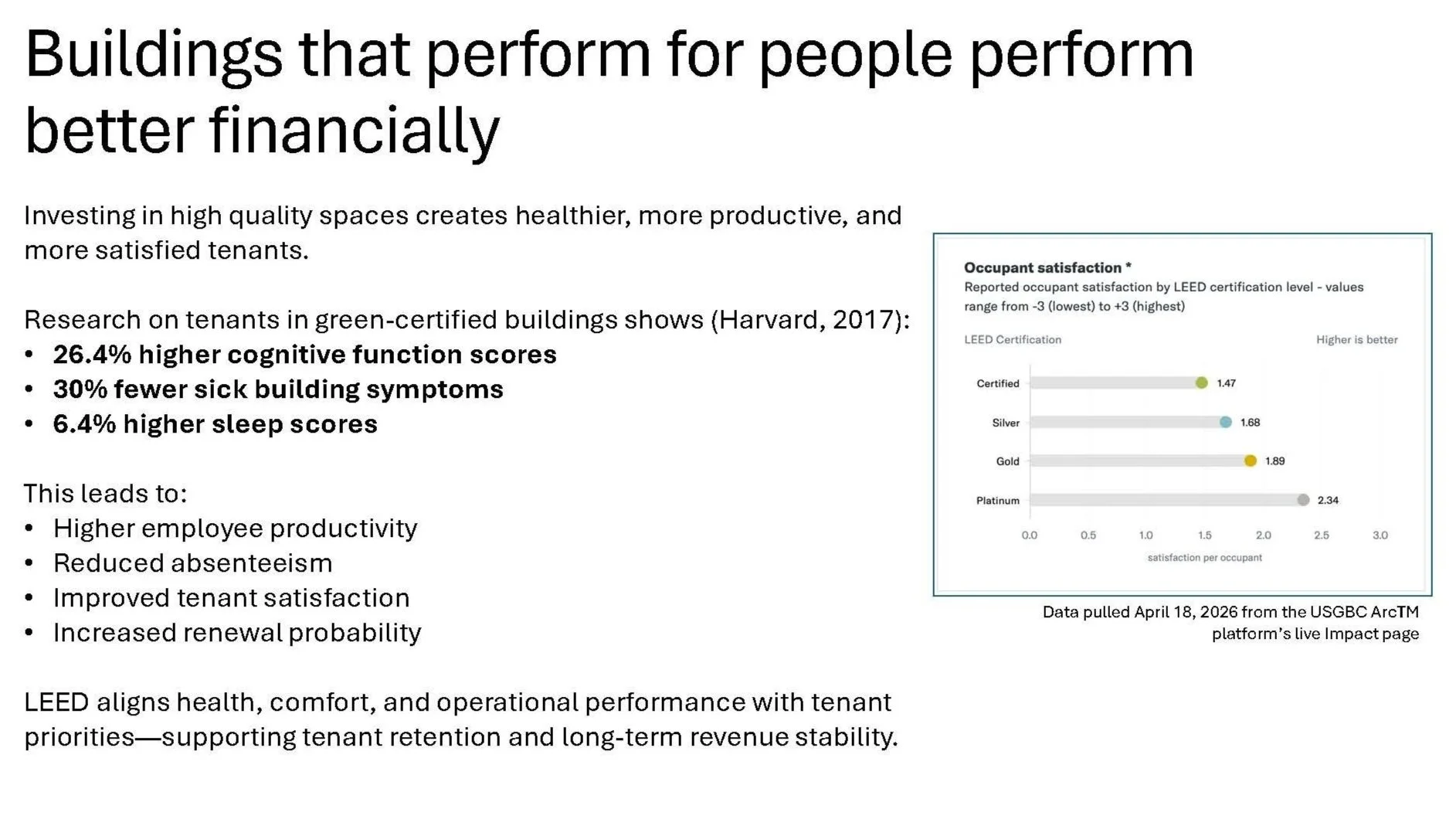
Data presented during the session reinforced how high-performance buildings directly benefit occupants—and the bottom line.
Research shows that green-certified buildings can deliver:
26.4% higher cognitive function scores
30% fewer sick building symptoms
6.4% higher sleep scores
Sustainability is Now a Capital Markets Strategy
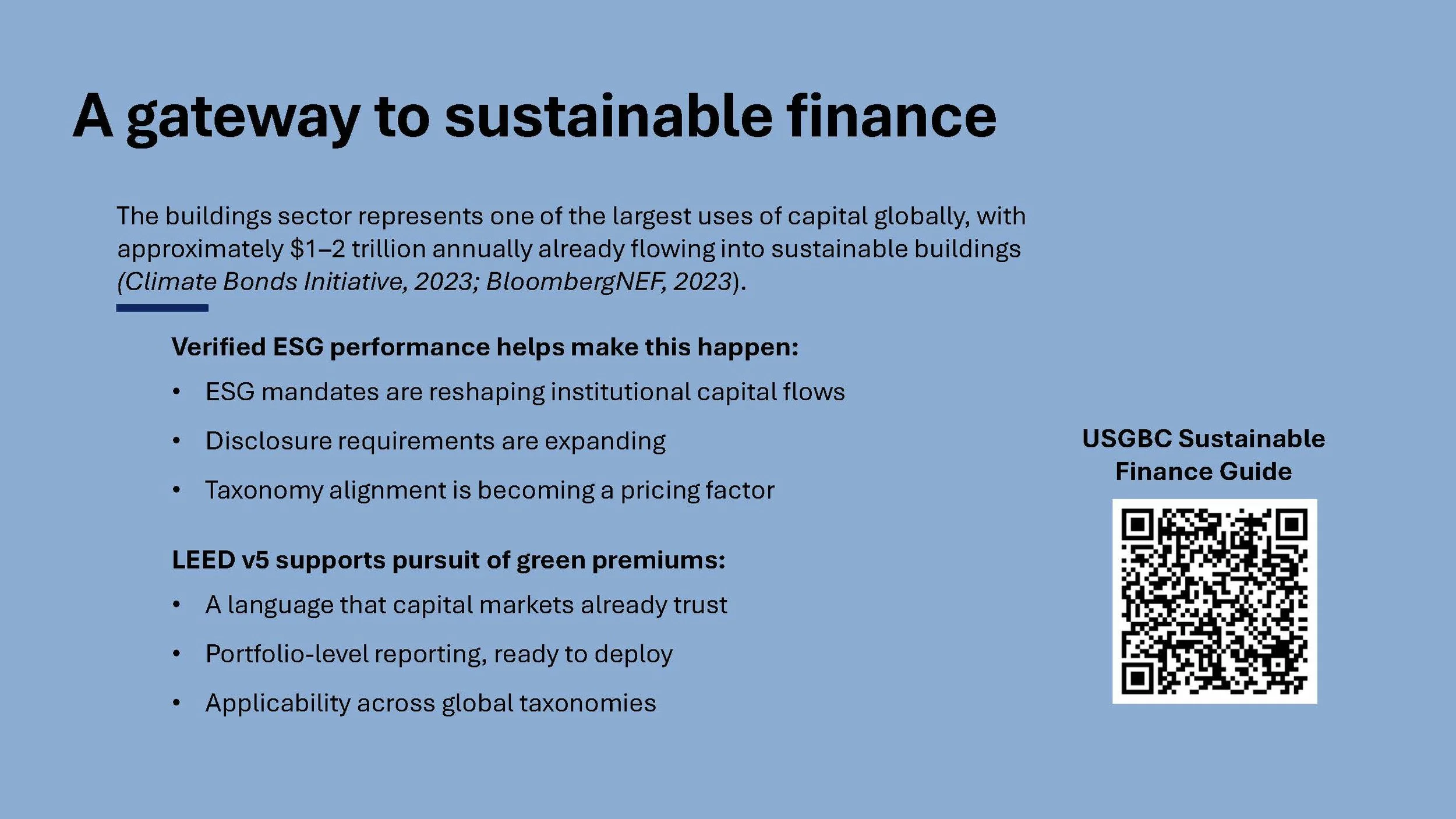
Sustainable buildings are attracting significant investment, with $1–2 trillion annually already flowing into sustainable assets globally.
Key drivers include:
ESG mandates reshaping capital allocation
Expanding disclosure requirements
Increasing importance of taxonomy alignment
LEED continues to serve as a trusted framework, helping owners align building performance with investor expectations.
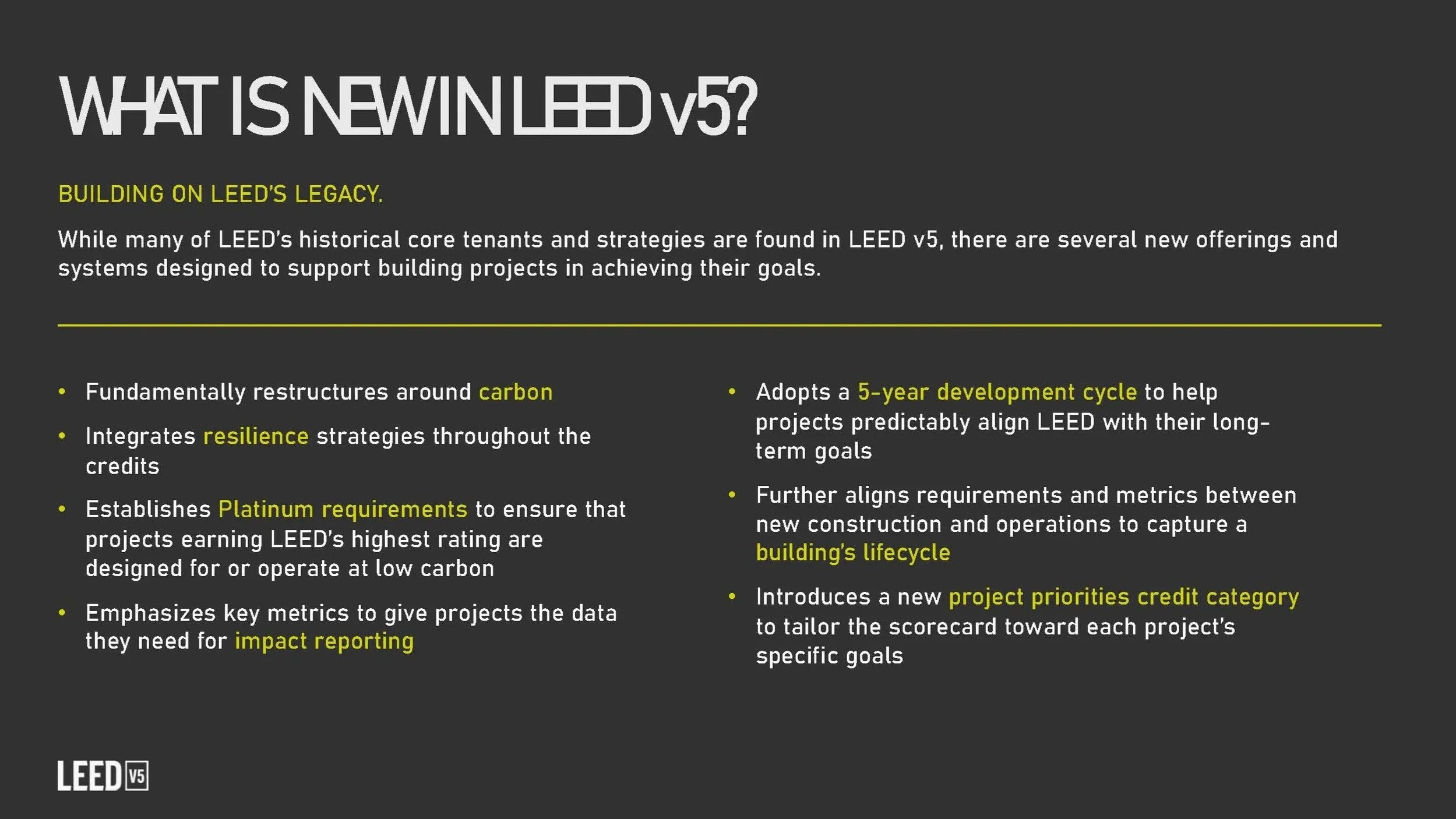
What’s New in LEED v5
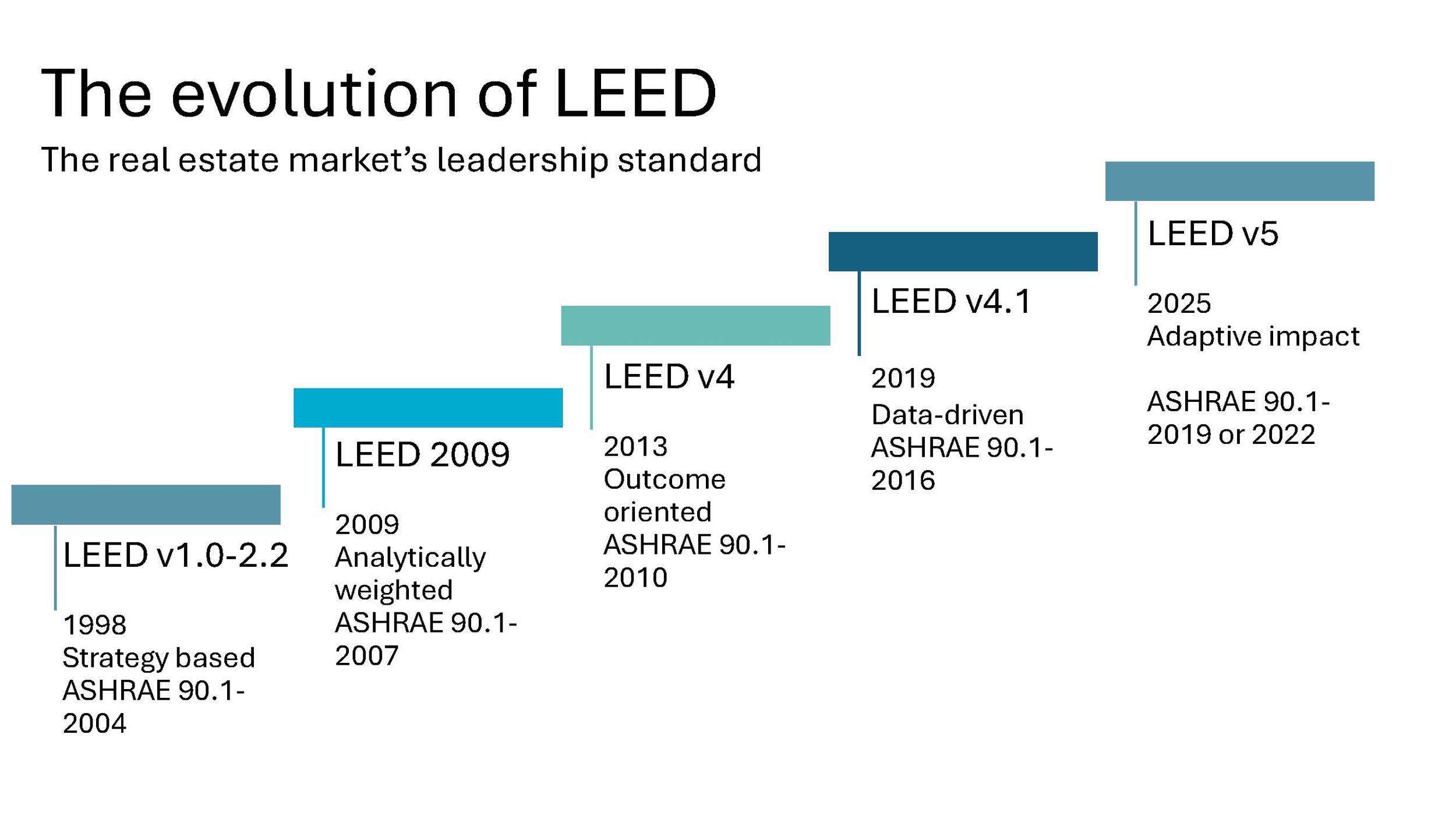
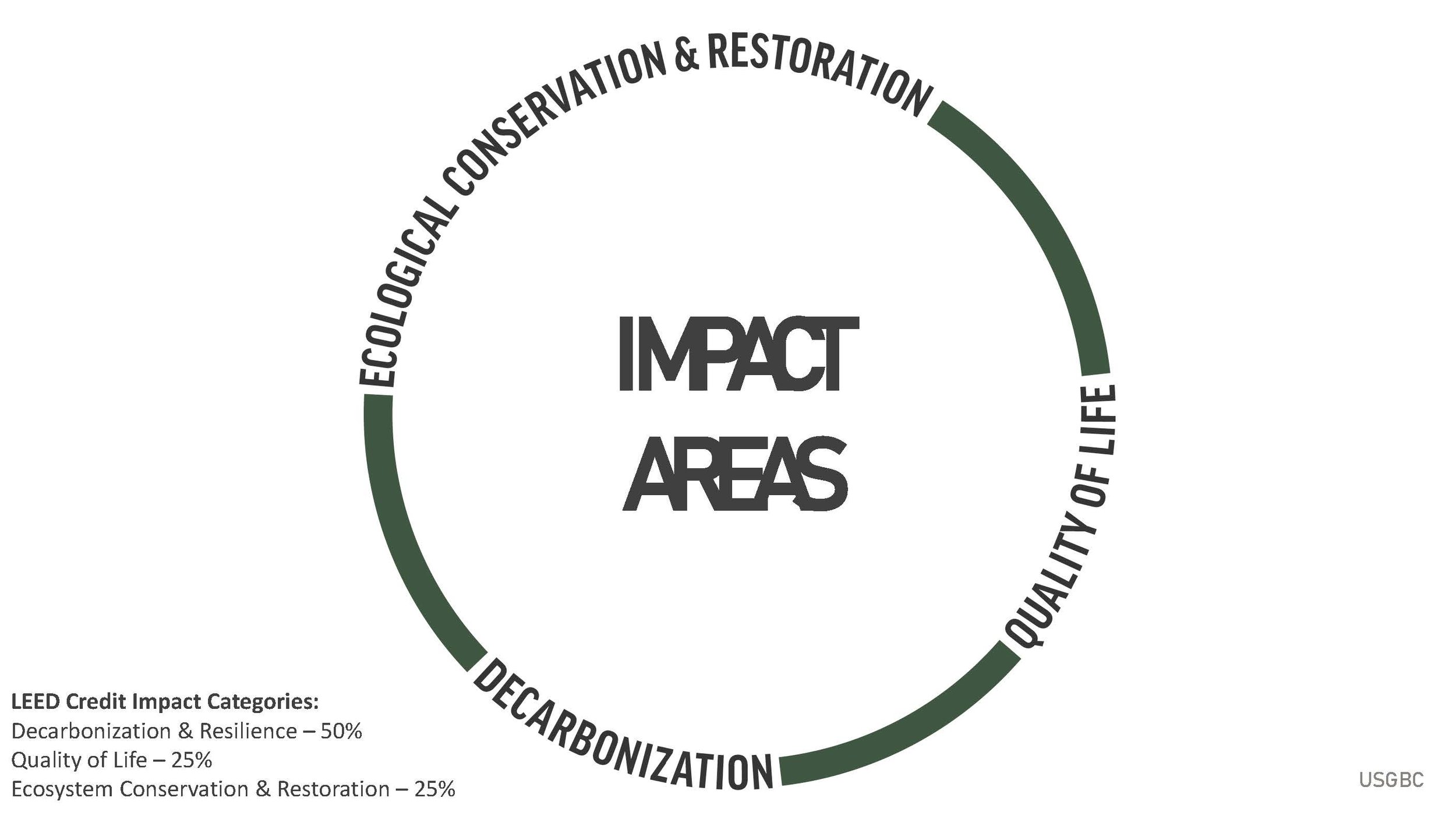
The next evolution of LEED emphasizes:
A stronger focus on carbon reduction
Integration of resilience strategies
Lifecycle alignment between design and operations
Project-specific prioritization
Enhanced data metrics for performance tracking
LEED v5 reflects where the industry is heading—toward measurable impact, data transparency, and long-term performance.
Local Impact: Boise’s Climate and Energy Strategy
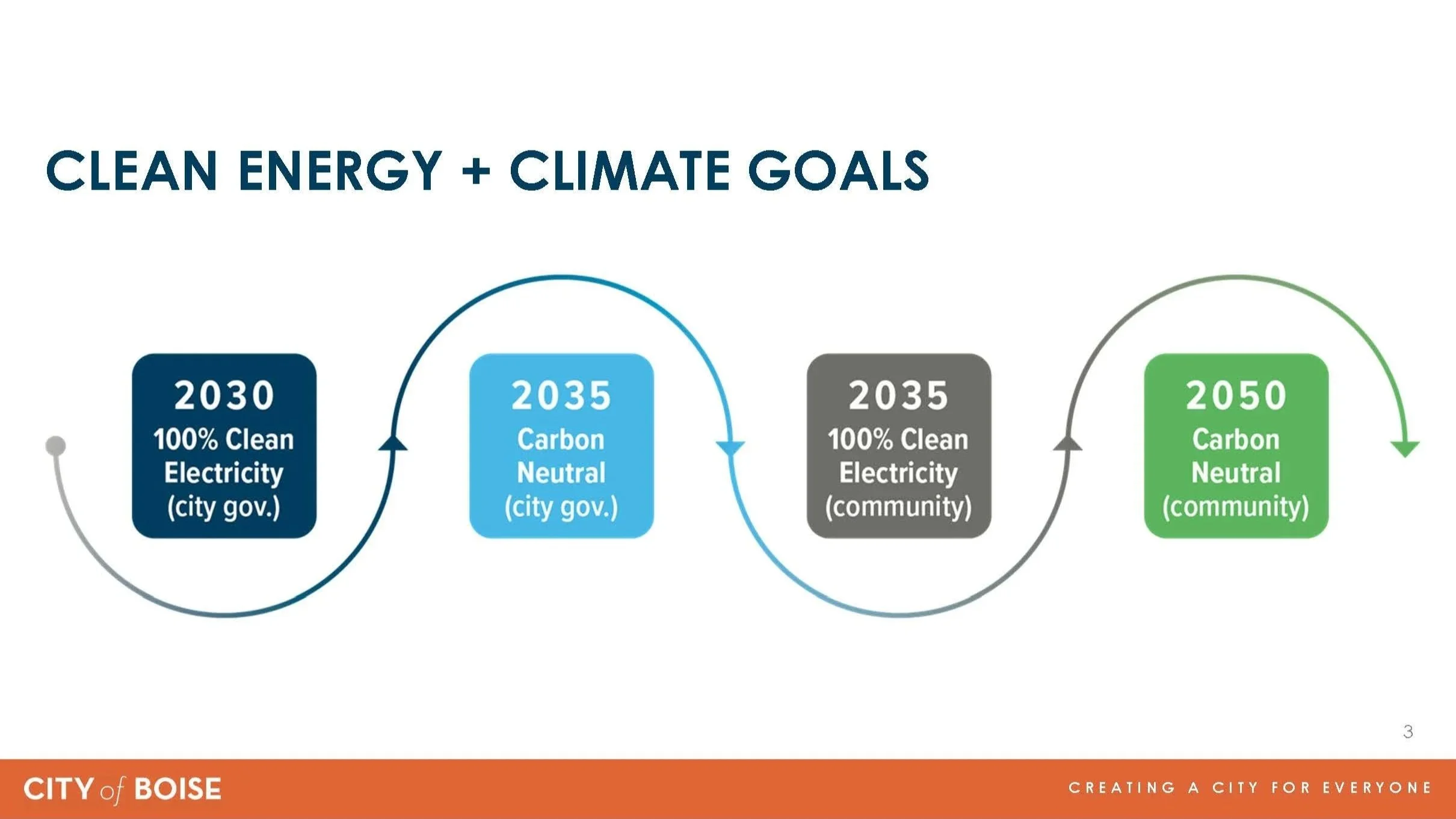
The City of Boise is actively advancing sustainability goals, including:
Carbon-neutral city government by 2035
Carbon-neutral community by 2050
Ongoing reductions across municipal operations
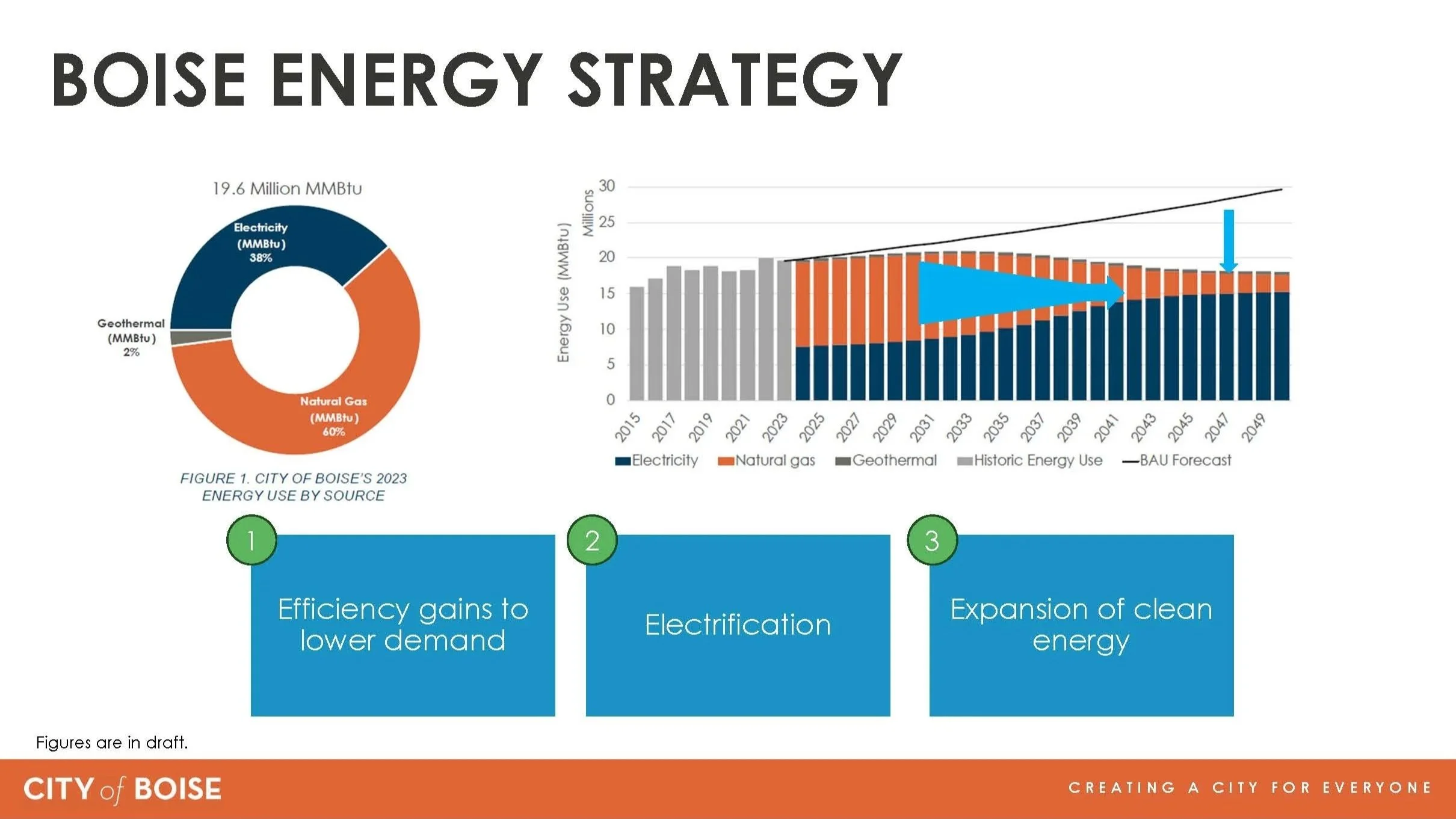
Their strategy focuses on:
Improving efficiency to reduce demand
Electrification
Expanding clean energy sources
C-PACE: Unlocking Capital for Sustainable Development
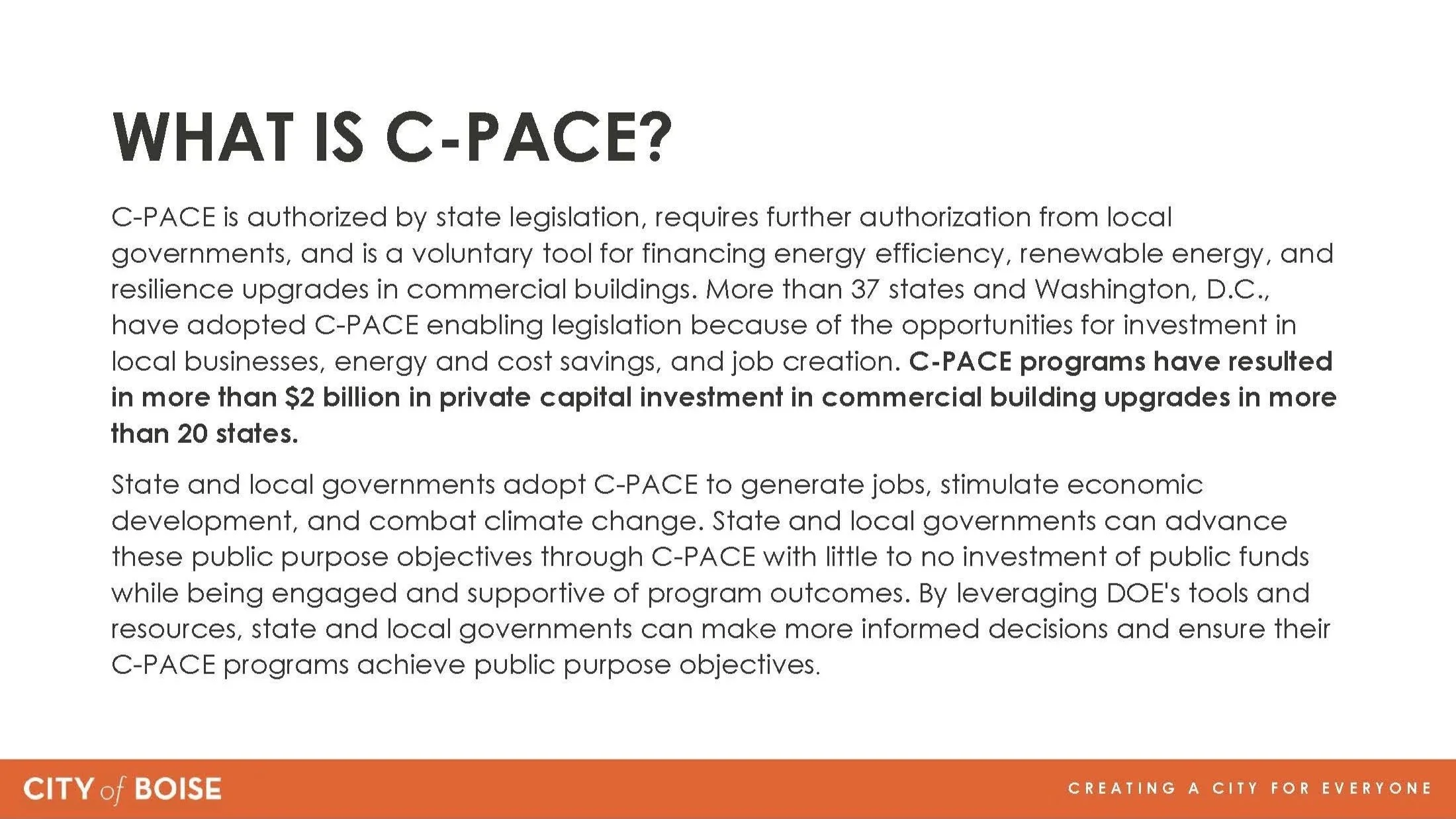
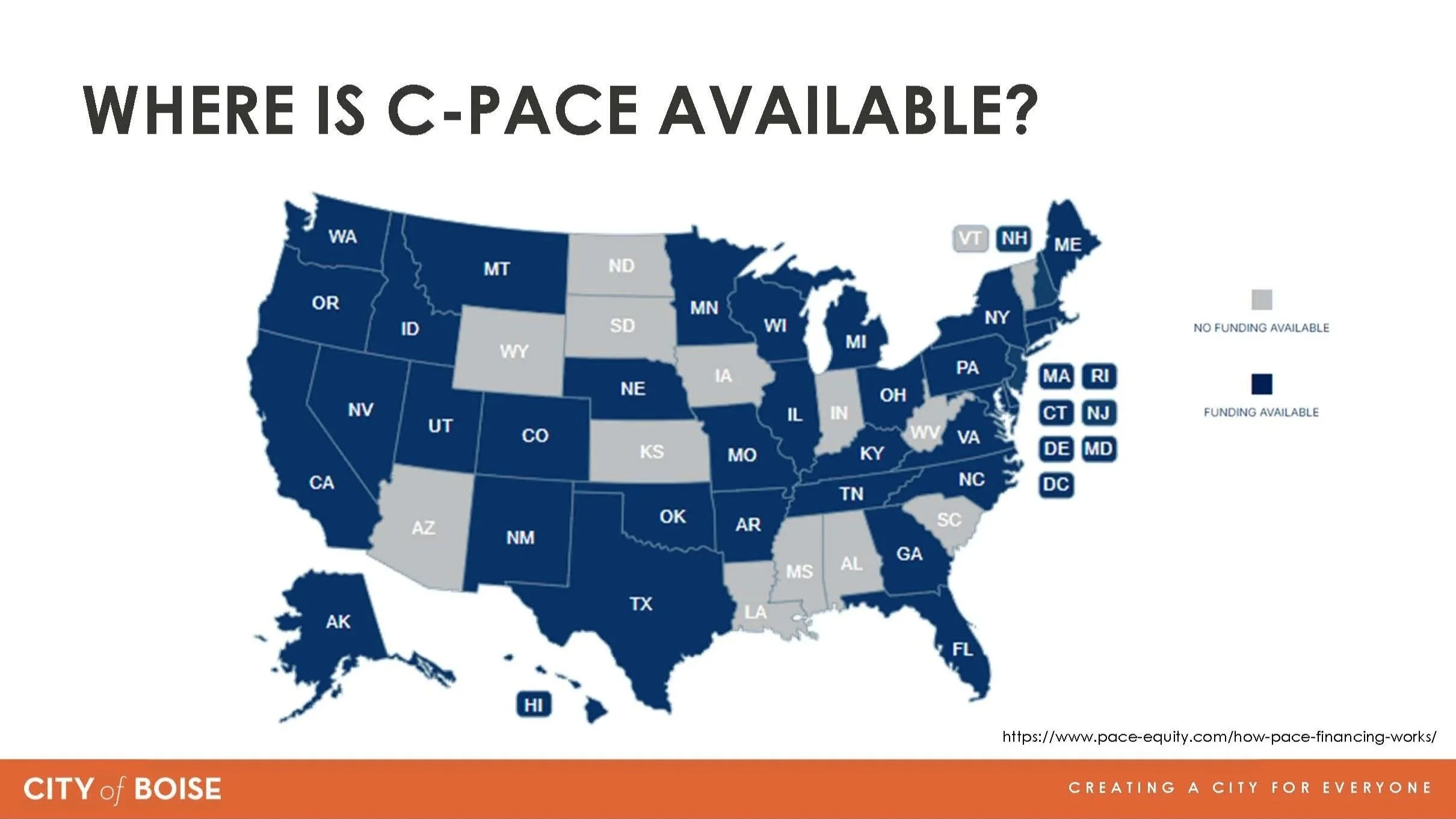
A major highlight of the presentation was C-PACE (Commercial Property Assessed Capital Expenditure Act), a powerful financing tool enabling sustainable development.
C-PACE allows building owners to:
Access long-term financing for energy and water improvements
Repay loans through property tax assessments
Transfer the financing with the property upon sale
In other words, it removes one of the biggest barriers to sustainability—upfront capital.
Why C-PACE Matters to Owners and Developers
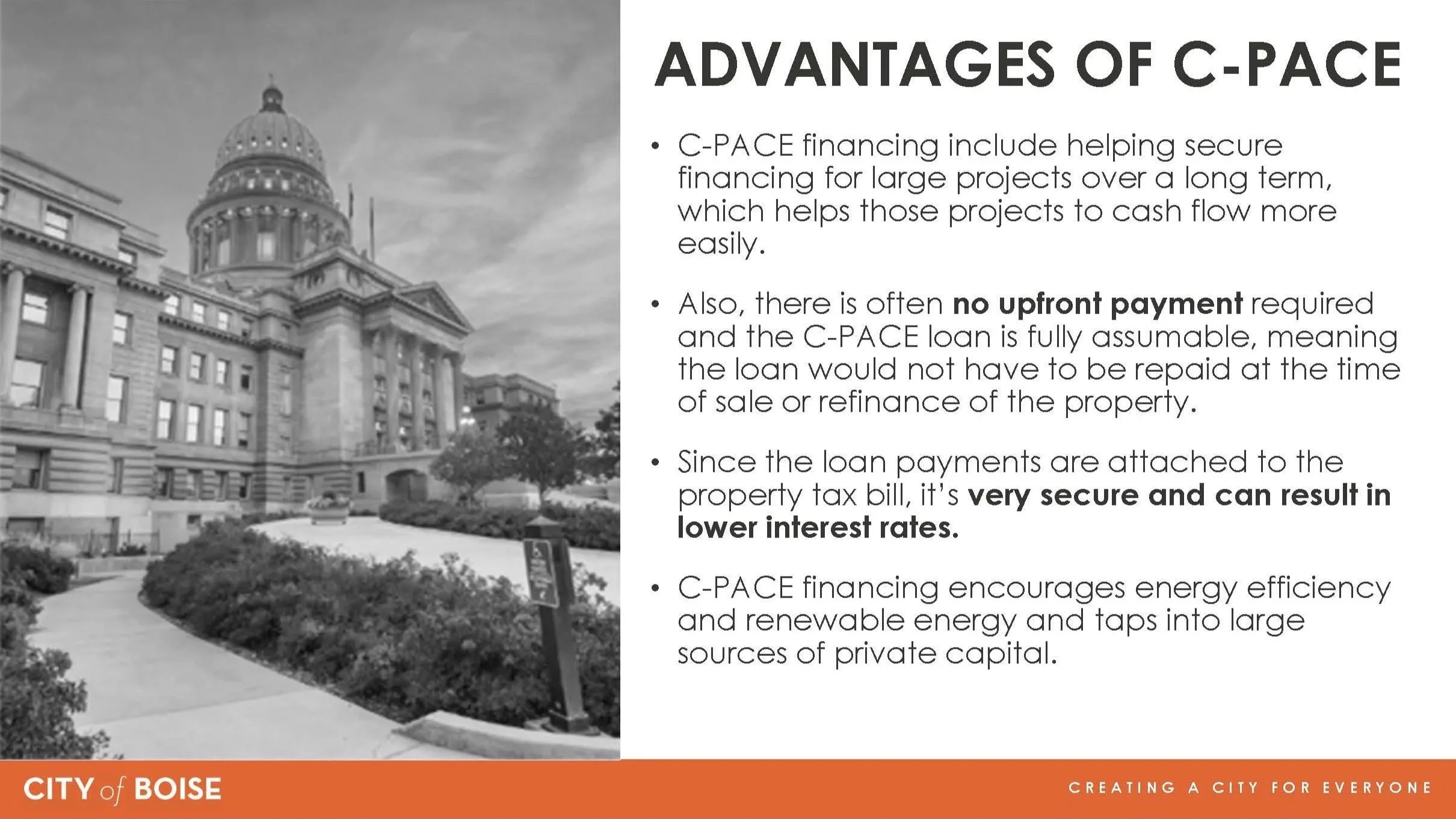
C-PACE offers several key advantages:
Long-term financing that improves project cash flow
No upfront payment requirements in many cases
Lower interest rates due to secure repayment structure
Ability to finance up to 100% of eligible improvements
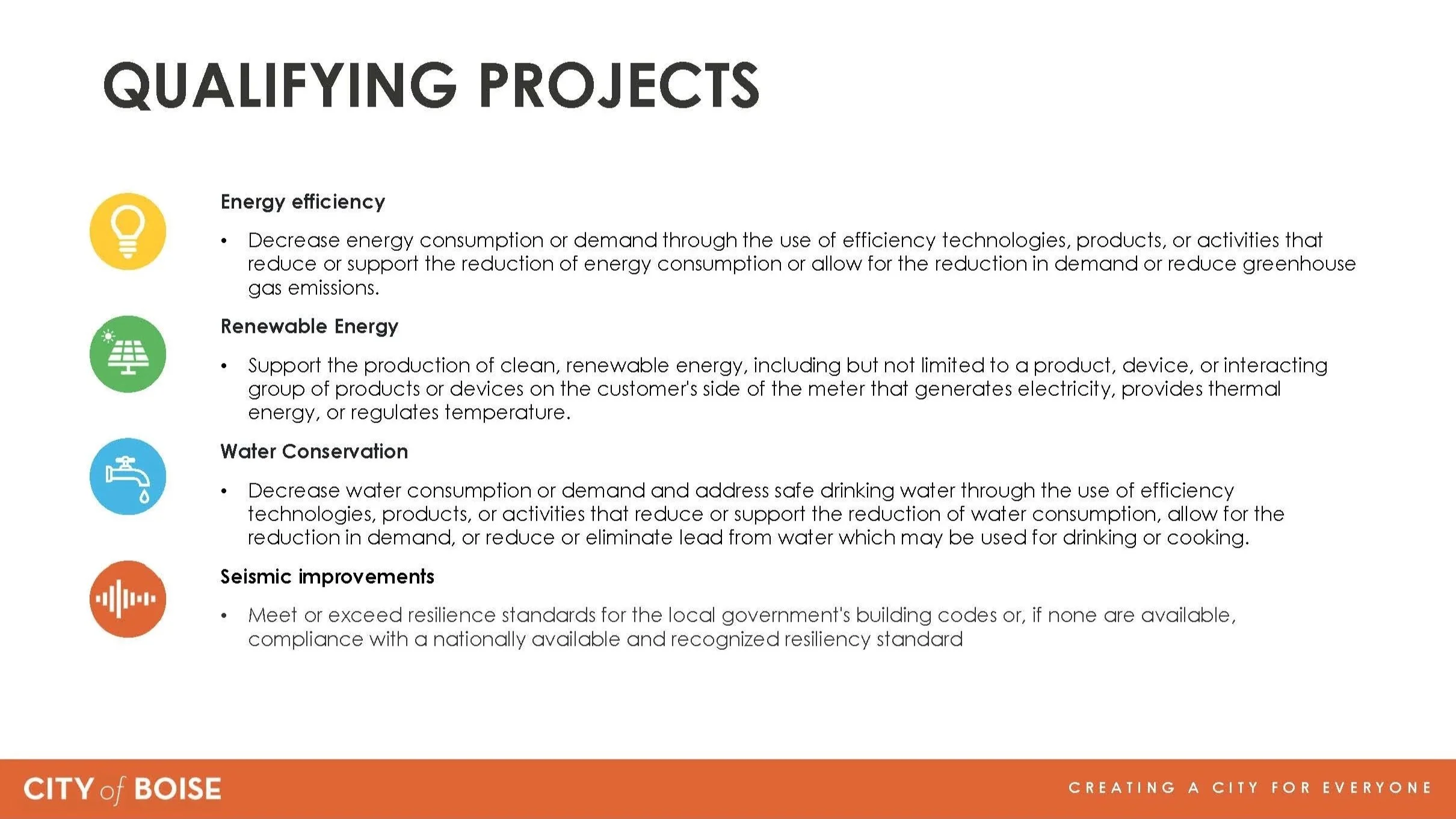
It also supports a wide range of qualifying projects:
Energy efficiency upgrades
Renewable energy systems
Water conservation measures
Resilience and seismic improvements
Momentum in Idaho
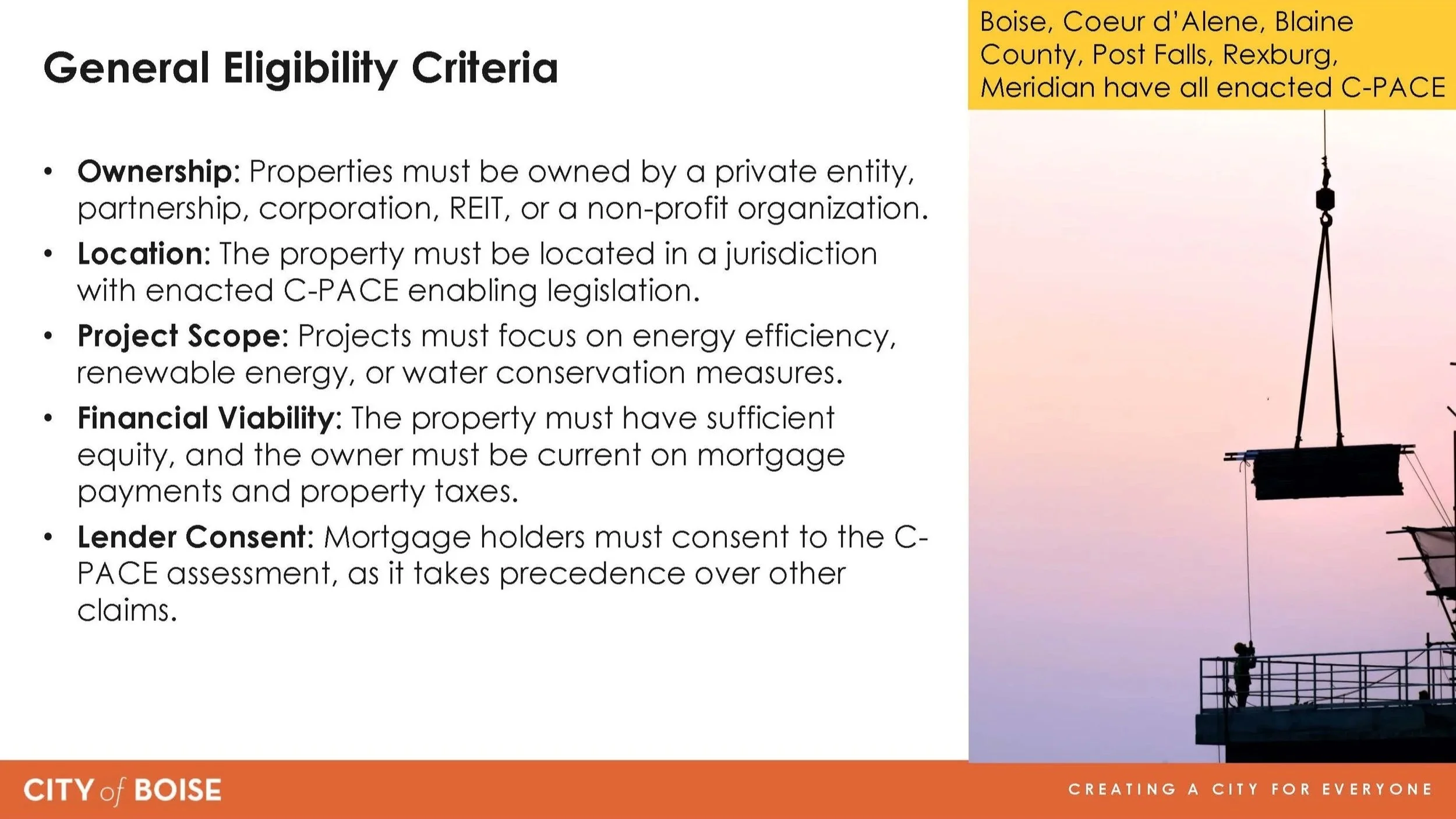
C-PACE is now enabled across multiple Idaho jurisdictions, including Boise, Meridian, Coeur d’Alene, and others.
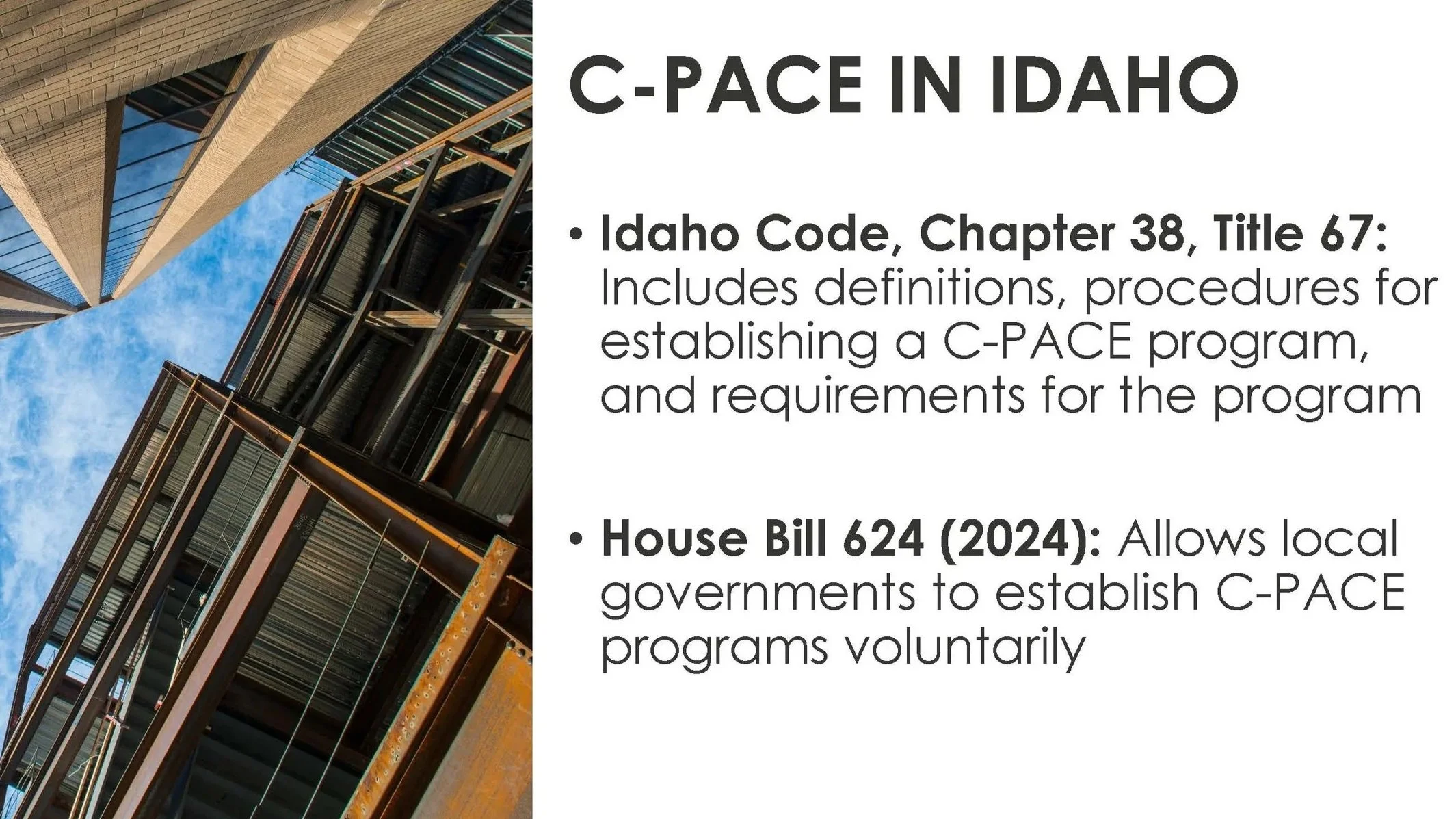
With new enabling legislation (House Bill 624, 2024), local governments can voluntarily adopt programs, creating more opportunities for sustainable investment across the state.
Real-World Impact: From Concept to Execution
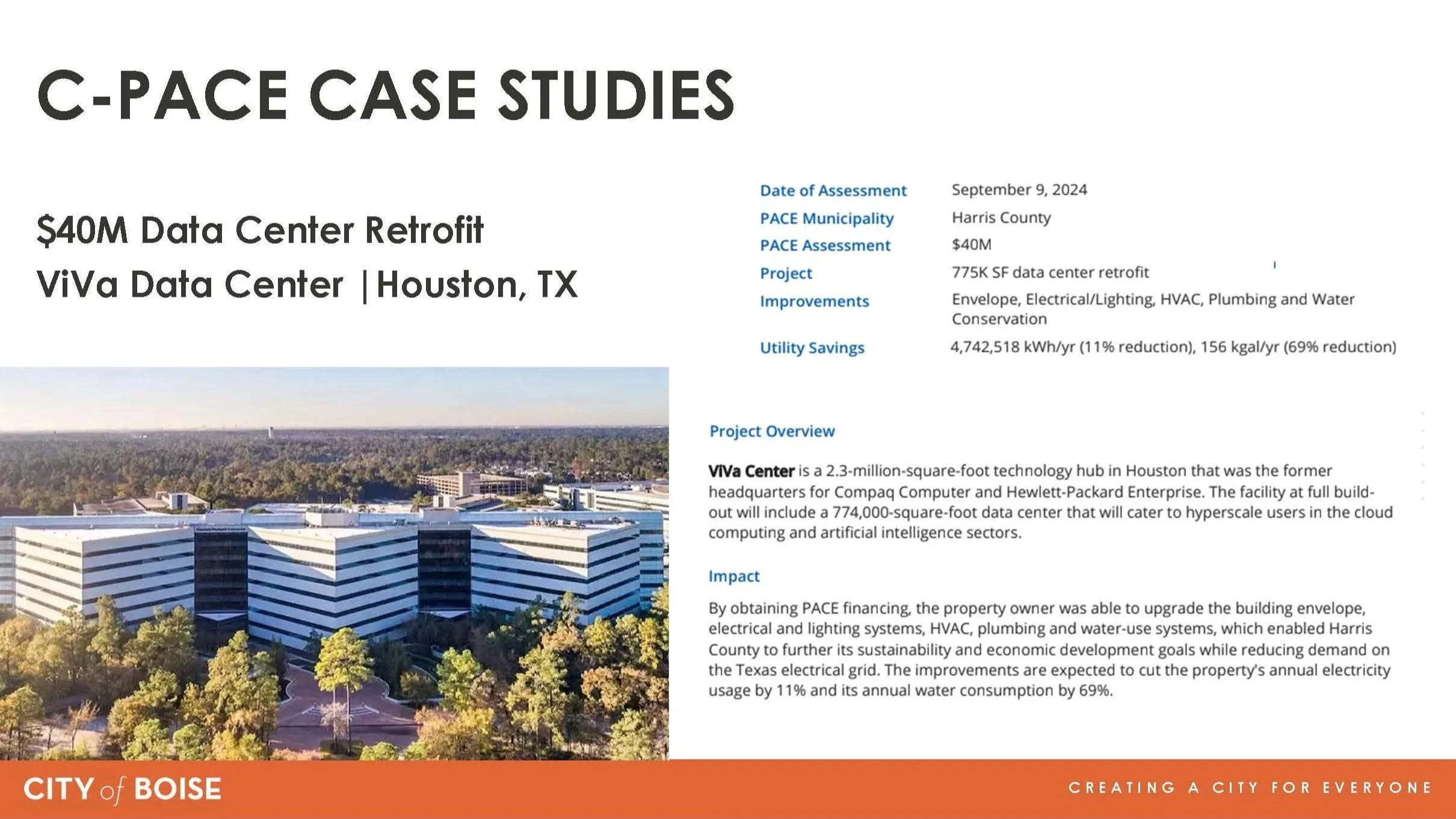
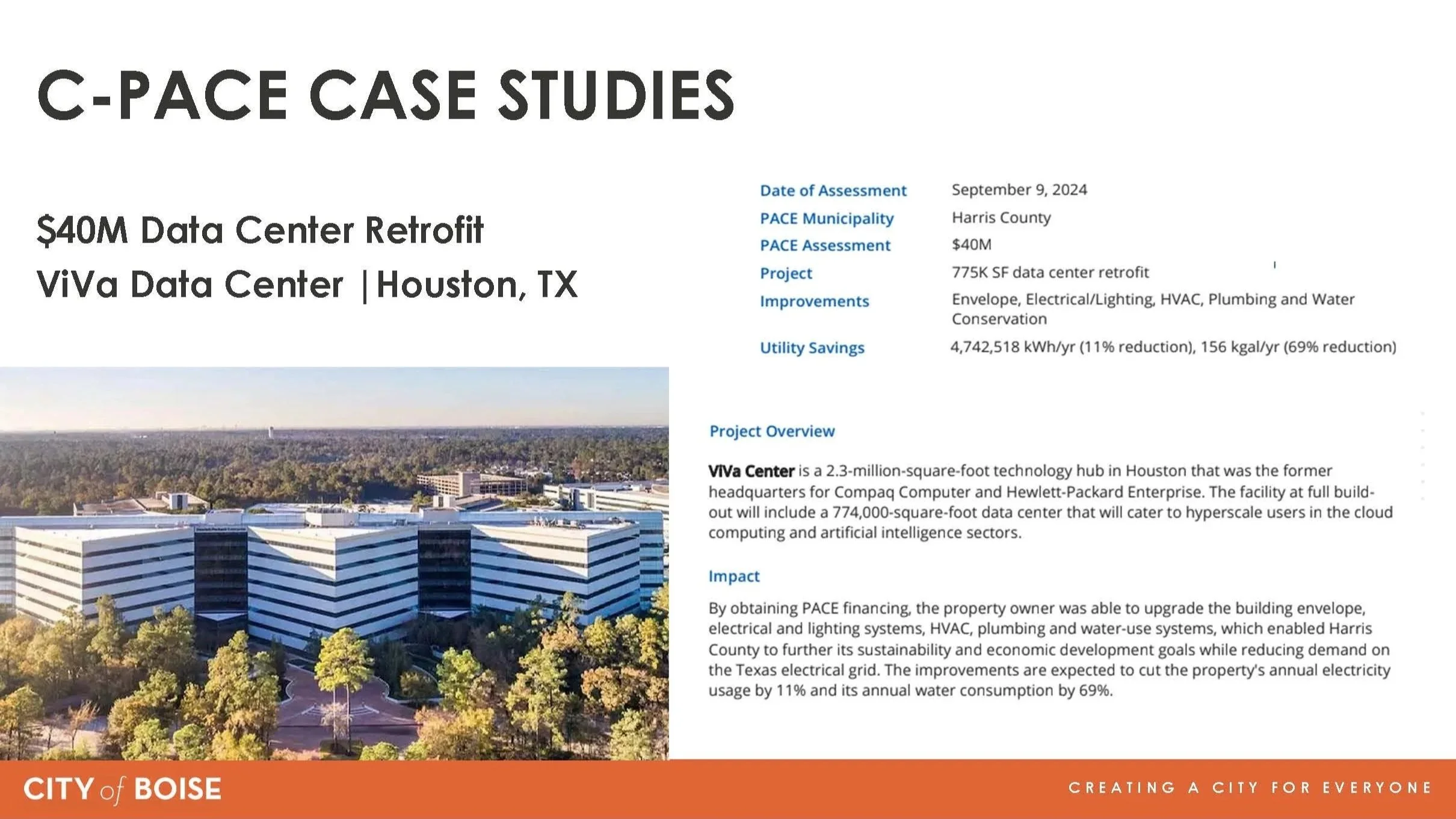
Case studies shared during the session demonstrated how C-PACE is already delivering results—from retrofit projects to large-scale developments—by improving building performance while reducing operating costs.
These examples reinforce a clear message: sustainability and financial performance go hand in hand.
Closing Thought: Aligning Performance, Capital, and Community
The key takeaway from the luncheon was clear—
the future of real estate is performance-driven, capital-aligned, and community-focused.
From LEED v5 to C-PACE financing, the tools exist today to:
Deliver healthier buildings
Improve financial outcomes
Advance community-wide climate goals
The opportunity now is execution.
As Idaho continues to grow, integrating sustainability, resilience, and smart financing strategies will be essential to shaping buildings—and communities—that stand the test of time.